The Ultimate Guide to Choosing Your Perfect Pair of Sunglasses
Sunglasses are far more than just a stylish accessory; they are an essential shield for your eye health. Harmful ultraviolet (UV) rays from the sun pose a significant threat, potentially leading to cataracts, macular degeneration, and even sunburn on the delicate skin around your eyes. But with countless styles, brands, and features available, finding the right sunglasses can feel overwhelming. This guide will illuminate the key factors to consider for optimal eye protection, comfort, and style.
1. Prioritize 100% UV Protection (UVA & UVB): This is non-negotiable. Look for a label or sticker explicitly stating "100% UV Protection" or "UV400" – meaning they block all light rays with wavelengths up to 400 nanometers, effectively filtering out harmful UVA and UVB rays. Don't assume darker lenses offer more UV protection; it's a specialized coating applied to the lens, regardless of tint.
2. Consider Lens Material & Tint: * Polycarbonate: Lightweight, impact-resistant, and offers inherent UV protection. Great for active lifestyles, kids' sunglasses, and sport styles. * Glass: Excellent optical clarity and scratch resistance, but heavier and more prone to breaking. Less common in casual sunglasses now. * CR-39 Plastic: Good optical quality, lighter than glass, but less impact-resistant than polycarbonate. * Tint: Choose based on activity: * Gray: True color perception, great for driving and general use. * Green: Reduces glare, suitable for various conditions. * Brown/Amber: Enhances contrast, often preferred for outdoor sports and potentially beneficial in partially cloudy conditions. * Yellow/Rose: Boost contrast in low-light or foggy conditions (not ideal for bright sun). * Mirrored: Reduce glare significantly, popular in high-altitude or water settings.
3. Polarized Lenses - A Game-Changer? Polarized sunglasses eliminate blinding glare reflected off horizontal surfaces like water, snow, glass, or wet roads. This drastically improves visual comfort and clarity, making them invaluable for driving, water sports, fishing, or skiing. They don't offer additional UV protection inherently, so ensure they also have the UV400 coating. Note: Polarization can sometimes make it harder to read digital screens (like some car dashboards or phone screens).
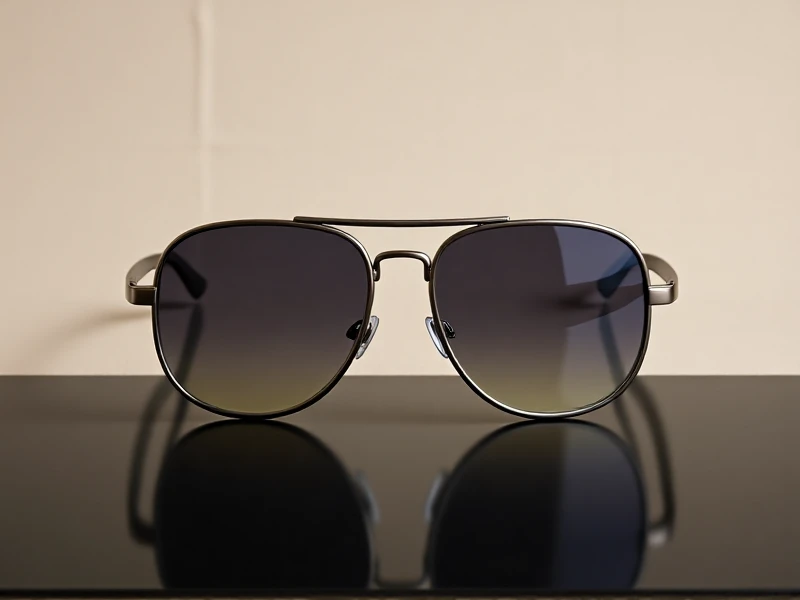
4. Frame Fit and Style: Protection comes first, but comfort and style matter for daily wear. Frames should fit snugly without pinching your nose or temples. Look for styles that cover your eyes fully, ideally wrapping slightly around the sides, to minimize peripheral UV exposure. From classic aviators and wayfarers to modern cat-eyes and sporty wraparounds, choose a design that complements your face shape and personal aesthetic. Popular sunglasses brands offer diverse frame materials like sturdy acetate, lightweight metals, or flexible grilamid.
5. Lifestyle Needs: Are you a runner? Wraparound or snug-fitting sports sunglasses matter. Spend time on the water? Polarized lenses are essential. Primarily for driving and city wear? Classic shapes with gray or green polarized lenses offer versatility. Budget-conscious? Many excellent options provide essential UV protection without designer pricing.
Investing in quality sunglasses is investing in your long-term eye health. Never compromise on 100% UV protection. Then, considering lens features like polarization, material, tint, and ensuring a comfortable, protective frame fit, you'll find the perfect pair of sunglasses that look incredible and keep your eyes safely shaded. Protect your vision in style!